
Residential roof-edge systems
Soffits & Fascia That Help Protect Your Home
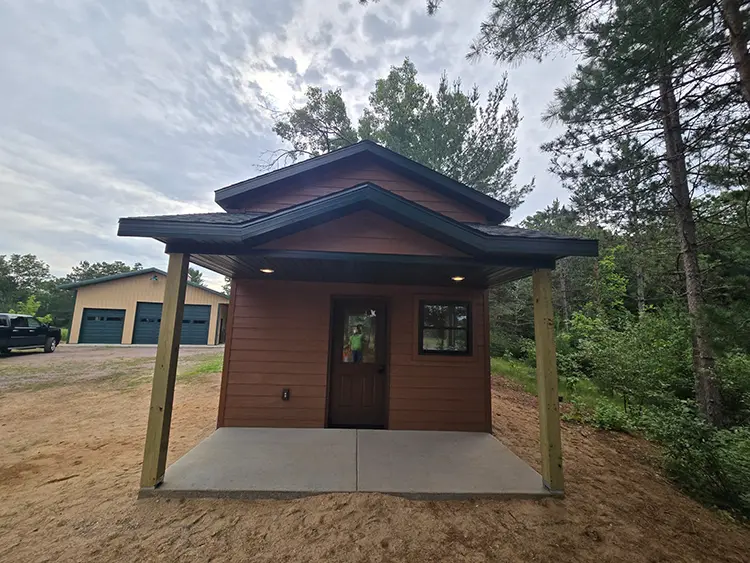
Soffits and fascia create a finished transition between the roof and exterior walls while helping protect vulnerable edges, support ventilation, and manage moisture.
Two Components With Different Jobs
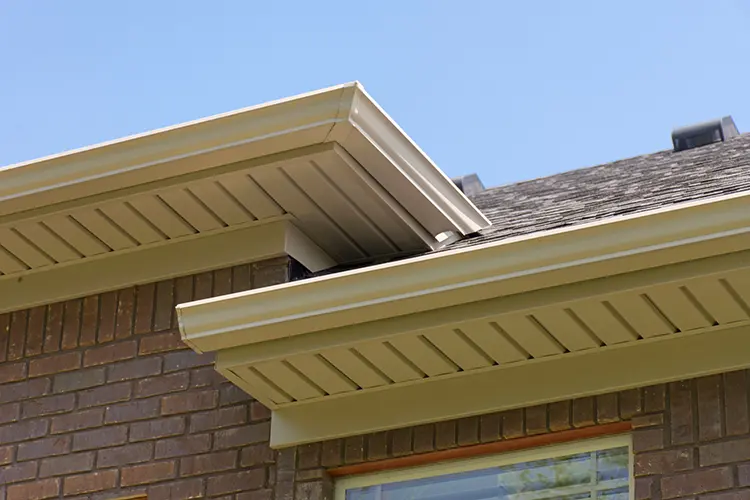
Soffits and fascia sit next to each other at the roof edge, but each supports the home in a different way.
Protects and finishes the roof edge
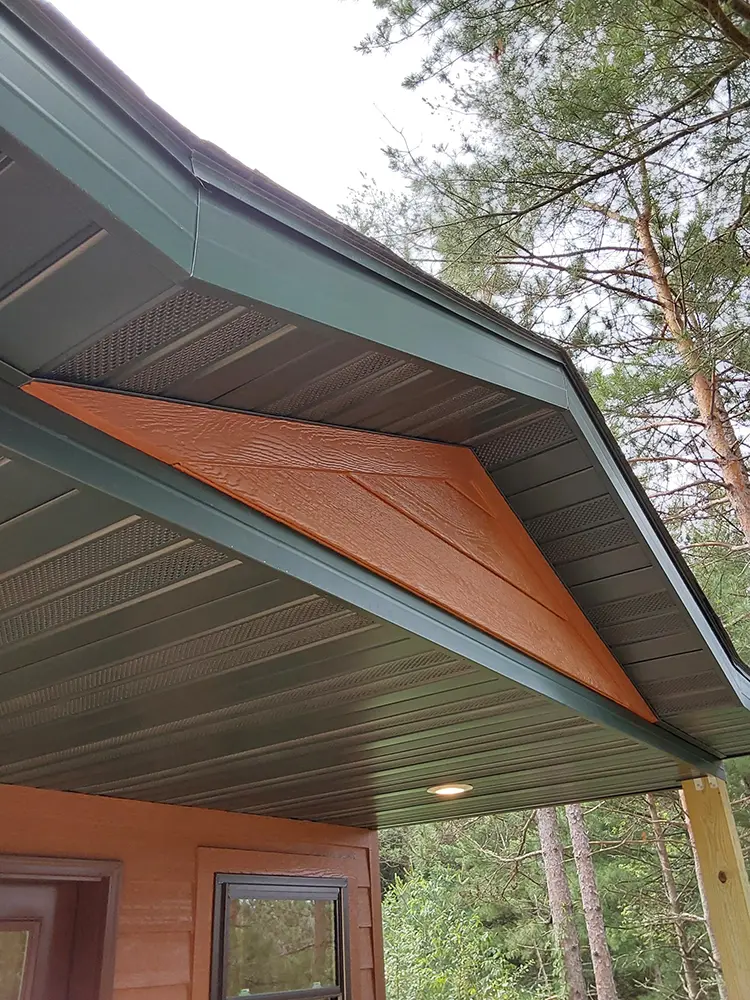
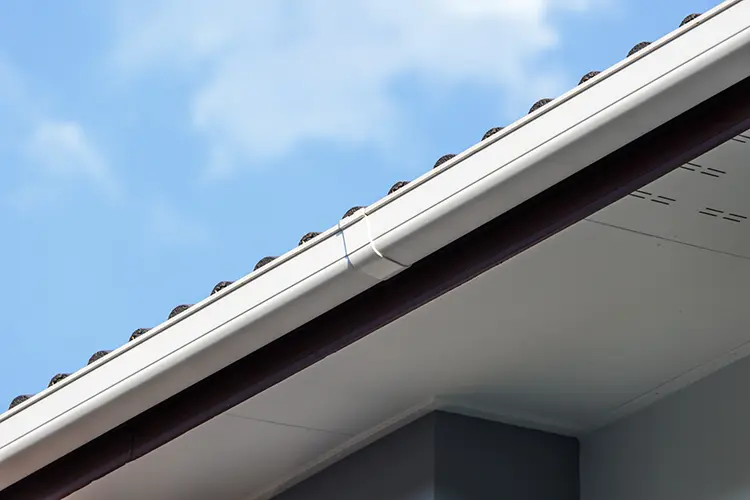
Fascia is the vertical board along the edge of the roof. It covers the ends of the roof structure, creates a clean finished line, and often supports the gutters.
Covers the overhang and supports airflow
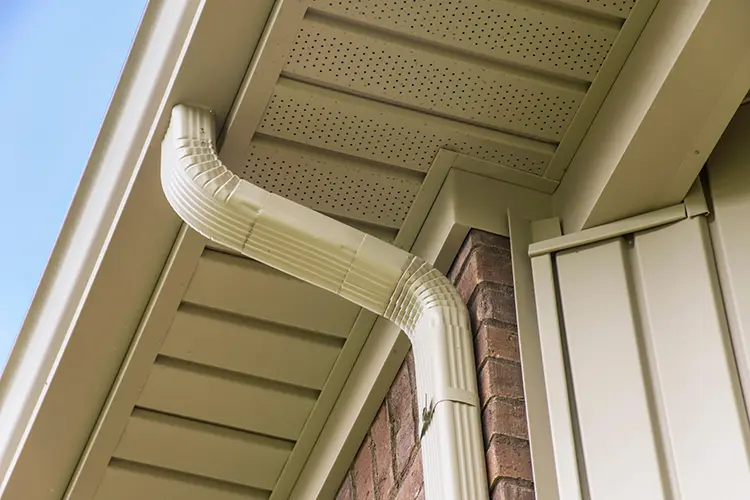
Soffit covers the underside of the roof overhang between the fascia and exterior wall. Vented soffit can provide intake air for the attic or roof assembly.
Ventilation Starts at the Roof Edge
Without adequate airflow, heat and moisture can accumulate inside the attic and contribute to problems with the roof deck, insulation, and other building materials.
Vented soffits provide intake ventilation along the lower roof. Fresh air enters through the soffit while warmer air can exit through ridge vents or other exhaust vents higher on the roof.
Warm Weather
Air movement can help reduce excess attic heat buildup.
Cold Weather
Consistent airflow can help manage moisture.
Year-Round Function
Intake and exhaust ventilation work together as a system.
Balanced Airflow
Properly sized vents distribute air throughout the attic.
Recognize Roof-Edge Warning Signs
Roof edges face rain, snow, wind, and changing temperatures. Visible symptoms can point to a component that needs attention or a deeper moisture concern.
Gutter Overflow
Repeated water contact from overflowing or damaged gutters can accelerate fascia deterioration.
Staining
Discoloration on soffit may point to a roof leak, drainage issue, or another moisture source.
Sagging or Damage
Loose or deteriorated material can signal that nearby areas also need evaluation.
Ventilation Concerns
Blocked or inadequate intake can affect how the attic manages heat and moisture.
Appearance and Long-Term Value
Clean roof edges add definition and create a finished transition between roofing, siding, gutters, windows, and trim.
Materials, colors, and finishes can coordinate with the rest of the exterior. The right choice depends on the home, existing materials, climate, maintenance preferences, and desired appearance.
Coordinate the Exterior
Choose colors and finishes that work with roofing, siding, gutters, and trim.
Refresh Worn Edges
Replace deteriorated materials while supporting a clean, finished appearance.
Plan for Upkeep
Match the material choice to the home’s maintenance priorities.
An Important Part of the Complete Exterior
Because soffits and fascia connect closely with roofing and gutters, proper installation helps support drainage, protect vulnerable edges, and keep ventilation openings functional.
Troyer can evaluate these components as part of the home’s larger roofing and exterior system. Early attention to wear, ventilation, and moisture concerns can help protect nearby materials.
Have a Soffit or Fascia Concern?
Tell us what you are seeing around the roof edge.
Why homeowners choose Troyer
Roof-Edge Work Planned Around the Whole Home
Soffits and fascia connect with roofing, ventilation, gutters, siding, and trim. Troyer considers those related systems instead of treating visible roof-edge damage as an isolated detail.
Serving Since 2012
Established roofing and construction experience.
Residential Perspective
Roof-edge components are evaluated with connected exterior systems.
Clear Communication
Conditions, options, and next steps are explained practically.
Quality-Focused Work
Attention goes to fit, airflow, moisture management, and finish.
FAQs About Soffits & Fascia
What is the difference between soffit and fascia?
Fascia is the vertical board along the roof edge. Soffit covers the underside of the overhang between the fascia and exterior wall. They work together but serve different protective and finishing roles.
Why is vented soffit important?
Vented soffit can provide intake ventilation along the lower roof edge. That incoming air works with ridge vents or other exhaust ventilation higher on the roof.
What can damaged soffit or fascia indicate?
Staining, sagging, peeling finishes, or deterioration may indicate a roof leak, gutter problem, ventilation issue, or another moisture concern. The underlying cause should be addressed with the visible damage.
Residential roofing
Talk With Us About Your Roof Edge
If you have deteriorated fascia, damaged soffit, staining, ventilation concerns, or questions about how these components fit with the rest of your roof, tell us what you are seeing.
- Visible damage, staining, or airflow concerns
- Related roofing, gutter, or siding issues
- Property address and timing concerns
Prefer to talk? Call (855) 552-2343